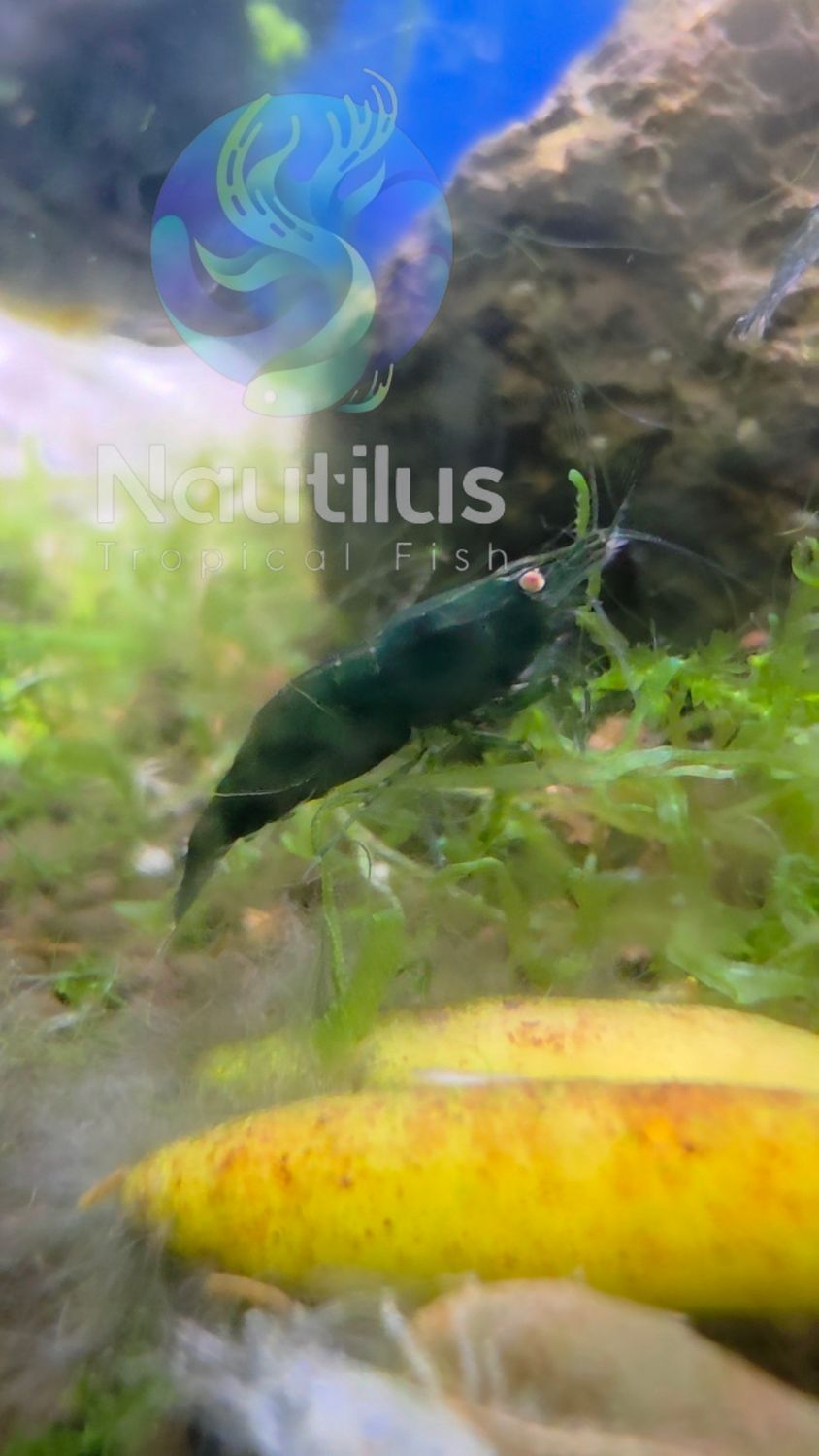
Orange Eye Green Neocaridina Shrimp
$22.99
Buy and save
Buy and earn $0.22 Loyalty for your next purchase
Loyalty is a discount program that lets you buy products and earn points to redeem on your next purchase. Your Loyalty balance is updated when you pay online or in-store. The Loyalty amount shown on this page can be recalculated at the checkout.
In stock: 16 available
Product Details
Details
Species: Orange Eye Green Neocaridina Shrimp (Neocaridina davidi)
The Orange Eye Green Neocaridina is a striking freshwater dwarf shrimp known for its vibrant green coloration and distinctive bright orange eyes. This rare and eye-catching variety is highly sought after by shrimp hobbyists and aquascapers looking to add unique color and movement to planted aquariums.
Description
Orange Eye Green Neocaridina shrimp feature rich emerald to moss-green bodies paired with vivid orange eyes, creating a stunning contrast rarely seen in freshwater shrimp. Their color can range from translucent green to deep jade depending on genetics, diet, and tank conditions.
These shrimp are excellent algae grazers and scavengers, constantly searching for biofilm, algae, and leftover food. They play an important role in maintaining a healthy aquarium ecosystem while adding beauty and natural activity to planted tanks.
They thrive in stable aquariums with plenty of plants, mosses, and hiding areas where they can graze and breed.
Care Level
Easy
Suitable for beginners and experienced shrimp keepers.
Temperament
Peaceful and non-aggressive
Best kept in shrimp colonies
Size
Up to 1–1.25 inches (2.5–3 cm)
Lifespan
1–2 years with proper care
Diet
Omnivorous scavenger
Thrives on:
-
Biofilm and natural algae
-
Shrimp pellets and wafers
-
Blanched vegetables (spinach, zucchini)
-
Occasional protein foods
A varied diet helps maintain vibrant coloration and strong breeding colonies.
Tank Size
Minimum 5 gallons
Larger tanks provide greater stability and colony growth
Water Parameters
Temperature: 68–78°F (20–26°C)
pH: 6.5–7.5
Hardness: Moderate hardness preferred
Stable water conditions are essential for shrimp health and molting.
Behavior & Compatibility
Orange Eye Green Neocaridina are peaceful and do best in species-only shrimp tanks or with other gentle nano fish.
Compatible tank mates include:
-
Small rasboras
-
Ember tetras
-
Celestial Pearl Danios
-
Snails
Avoid housing with aggressive fish or species known to prey on shrimp.
Notes
-
Rare orange-eye Neocaridina variety
-
Excellent algae and biofilm grazers
-
Perfect for planted aquariums and aquascapes
-
Breeds readily in stable freshwater conditions
-
Color improves with high-quality diet and stable water parameters
Save this product for later
Orange Eye Green Neocaridina Shrimp
Customer reviews on “Orange Eye Green Neocaridina Shrimp”
Reviews only from verified customers
No reviews yet. You can buy this product and be the first to leave a review.
Powered by Lightspeed
Display prices in:USD