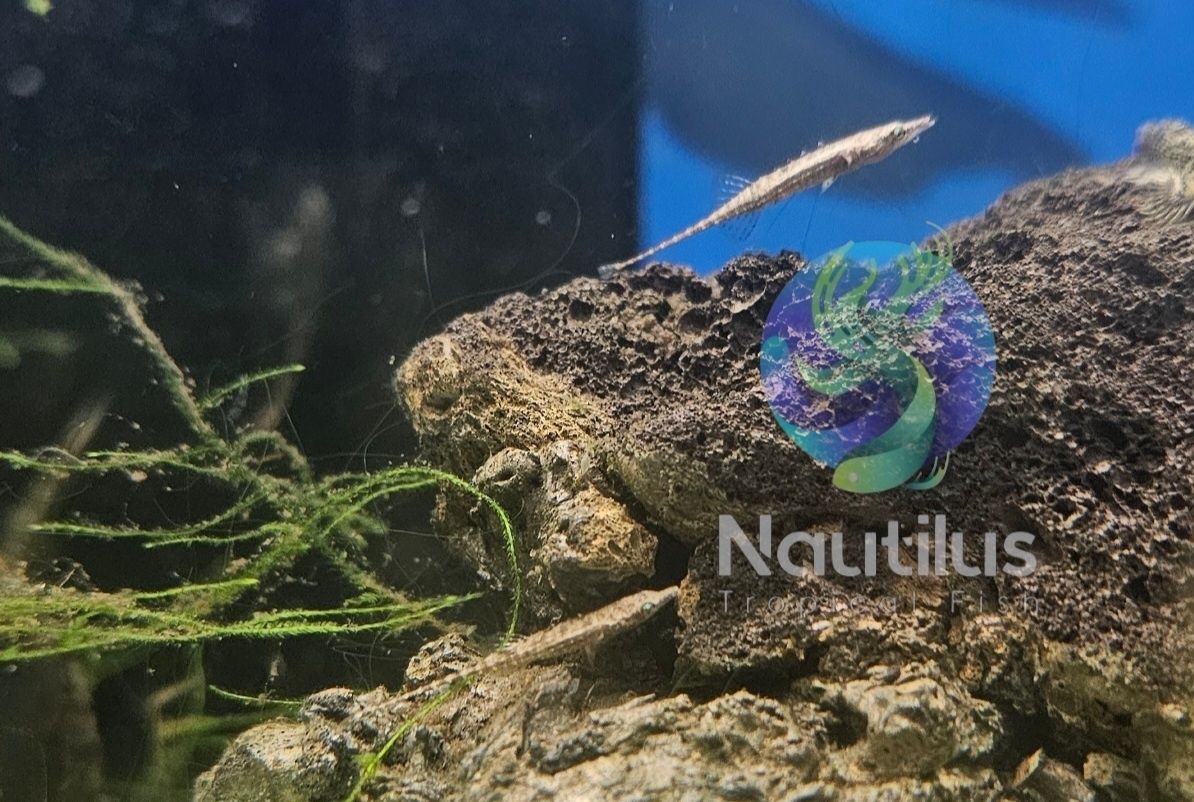
Armoured Stickleback
$14.99
Sold out
Sold out
Product Details
Details
Species: Armored Stickleback (Gasterosteus aculeatus)
The Armored Stickleback is a fascinating, prehistoric-looking freshwater fish known for its distinctive body armor plating and sharp dorsal spines. Native to North America, Europe, and parts of Asia, this hardy species is admired for its unique appearance and interesting breeding behavior. During spawning season, males develop vibrant coloration and build intricate bubble nests, making them especially captivating to observe.
Description
The Armored Stickleback features a slender body protected by bony lateral plates (armor) and prominent dorsal spines that can be raised for defense. Their silvery to olive coloration provides natural camouflage, while breeding males display striking red throats and blue-green hues. This species is active, alert, and constantly exploring its environment.
Care Level
Moderate
Sticklebacks are hardy but do best in well-maintained aquariums with stable water conditions and adequate swimming space.
Temperament
Semi-aggressive
While small in size, they can be territorial—especially males during breeding. Best kept in species-only tanks or with other cool-water fish of similar temperament.
Size
1.5–3 inches
Lifespan
3–5 years with proper care
Diet
Carnivorous
Thrives on high-protein foods such as:
Live or frozen bloodworms
Daphnia
Brine shrimp
High-quality micro pellets
They readily accept frozen foods and will actively hunt live prey.
Tank Size
Minimum 20 gallons
Provide ample swimming space and structured décor.
Water Parameters
Temperature: 60–72°F (cool water preferred)
pH: 6.5–8.0
Hardness: Moderate
They prefer cooler water and are not ideal for tropical community setups.
Behavior & Compatibility
Armored Sticklebacks are active and curious fish that may display fin-nipping tendencies. Males become territorial during breeding season and will defend nests aggressively. They are best housed in species-only aquariums or carefully selected cool-water tankmates.
Notes
Known for fascinating nesting behavior (males build and guard bubble nests).
Hardy and adaptable when water conditions are stable.
Not recommended for typical tropical aquariums due to cooler temperature preference.
A unique and educational species for hobbyists interested in natural behaviors.
Save this product for later
Armoured Stickleback
Customer reviews on “Armoured Stickleback”
Reviews only from verified customers
No reviews yet. You can buy this product and be the first to leave a review.
Powered by Lightspeed
Display prices in:USD